Showing posts with label Danny-Anna system. Show all posts

Wednesday, 19 June 2013

System On - Defence

This is the last blog entry in a series describing the basic Acol system that me and Anna play in Glasgow. Hope you're reading this Anna.


Carding

This is pretty standard.

  • Reverse attitude on partner's lead.
  • Standard count on declarer's lead.
  • McKenny discards.


Defence to Multi 2♦

Our defence to 2♦ is a bit controversial, as we tried something else and Anna didn't like it so we've switched. This is what we've agreed on now.

  • Double shows a weak NT, or 18+.
  • Overcalls are natural two level overcalls.
  • Once they've bid a suit doubles are takeout.


Defence to Short 1♣

Just ignore it and treat it like a normal 1♣.


Defence to Lucas Twos

Pretend it's a normal Weak Two opening (2NT overcall is 15-19 with a stop, etc.)

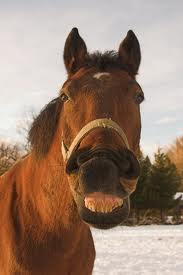
To finish, here's a picture of a horse stuck in a fence:

System on - 1NT/2NT

This is my latest blog entry in a series describing the basic Acol system that me and Anna play in Glasgow. Hope you're reading this Anna.

I've already mentioned that we can open a Weak 1NT with a good 5 card major, and only open 5422 if both doubletons are good.


Responses to 1NT opening

These apply equally for a 1NT opening and a 1NT overcall.

These are the continuations with Stayman. There's a subtle little twist here.

  • Bidding 2♣ then correcting 2♦ to 2♥/2♠ shows a weak hand 5-4 in the Majors.
  • Suppose you bid 2♣ and get a 2♥ reply. 2♠ is totally artificial and agrees Hearts as trumps. 3♣/3♦ show at least a 5 card minor and implies four Spades.
  • The above also applies if partner replies 2♠; 3♥ sets Spades as trumps.
  • After a positive reply to Stayman 4NT is quantitative, if you want to bid Blackwood you need to set trumps first by bidding the other Major.

For Transfers:

  • Making a transfer then bidding the other Major shows a game forcing hand 5-4 in the Majors.
  • Making a transfer then bidding 3♣/3♦ shows a game forcing hand with 5 in Major and at least 4 in minor, 5431 shape or better.
  • Opener can jump accept with any 4 card support, he breaks the transfer with a good hand with 4 card support.
  • After a transfer, 4NT is quantitative. If you want to bid Blackwood, then start with a 3 level response.

The other possible responses to 1NT:

  • 3 of any suit is a slam try in that suit, showing a good six card suit. If the bid is 3♣/3♦ opener bids 3M if they have a 5 card major. Otherwise, opener bids 3NT with a weak doubleton in responders suit, and cuebids with anything else.
  • 4♣ is natural (not Gerber). We never bid this though.


Checkback Stayman

We rebid 1NT with 15-17, and 2NT with 18-19.

  • If you've got the right strength then prioritise rebidding NT over showing a 4 card Major.
  • If you have 18-19 then the usual rebid is 2NT; 3NT is only used if you are very flat (4-3-3-3).

Responder can show a 5-5 hand with a jump after a 1NT rebid, or a weak six carder by rebidding his suit.


2NT responses

2NT opening shows 20-22. Opening 2♣ then rebidding 2NT shows 23-24. As far as possible, the responses are the same as over 1NT. One difference though

  • If you bid Stayman and then correct 3♦ to 3♠, as before this shows 5 Spades and 4 Hearts. But it's no longer a weak hand, just giving a choice of games.

The reason for doing that is to stop you going beyond 3NT.


They interfere with our 1NT

After a double we play Helvic. After any artificial interference (e.g. 2♣ showing Majors) our double shows that suit (e.g. Clubs). Over a natural interference, such as 2♥ showing Hearts and a minor, we play naturally:

  • Double is penalties.
  • 2♠ (any bid at the 2 level) is weak and natural.
  • 2NT is natural.
  • 3 level bids are strong and forcing, e.g. 3♣ or 3♠.
  • A cuebid is Stayman, such as 3♥ here, which asks partner if they have Four Spades.


Our defence to their 1NT

We play competitive doubles, see here. A double of a 1NT opening shows 14+ and balanced. These other bids are about 9-13:

  • 2♣ - 54 or better in Majors (depends on vulnerability). Partner bids 2♦ to ask for the better Major, or if he has a strong hand and will invite game next time.
  • 2♦ - six card Major.
  • 2♥/2♠ - 5 of the Major and at least a 4 card minor. Partner bids 2NT to ask for the minor.
  • 2NT - minors

3 level overcalls don't happen much but would be some sort of very shapely hand.

To finish, a jumping horse.

System On - Conventions

This is the next instalment in my effort to document all of the basic Acol system me and Anna play.


Jacoby 2NT

After an opening bid of 1♥/1♠, partner bids 2NT with a game forcing raise.

  • After a double, 2NT is still a good raise, but is only invitational.
  • After an overcall, 2NT is natural. Use a cue bid for an invitational (or better) raise.
  • After a 1♣/1♦ opening, 2NT is natural.
Opener then rebids as follows, supposing the suit is Hearts:
  • 3♥, 3NT, 4♥ show balanced hands with 5,6 or 7 losers respectively.
  • Suits at the three level show a good second suit, with 6 or fewer losers.
  • Suits at the four level show are splinters, with 6 or fewer losers.
If you have a second suit and a singleton, then show the second suit first. Not sure there's anything else to say about that.


Blackwood

We play 1430 Blackwood. After 4NT and the reply:

  • Cheapest bid is Queen ask. Reply with next available bid for no Queen, else show cheapest King, or just bid 6 trumps with no extra Kings.
  • 5NT asks for specific Kings.
If you happen to have a useful void (not one in partner's suit), there are special responses to 4NT:
  • 5NT with even number of keycards.
  • 6 of the void suit with odd number of keycards, or 6 trumps if the void is above the trump suit.

The way to remember this, which sounds odd but appeals to me, is that NT is even.

We also play Exclusion Blackwood, which is a jump to the 5 level, but not in a suit that partner has bid naturally.

Finally if the opponents double or interfere after 4NT, we play 1430 as follows:

  • Pass is 1 or 4, double/redouble is 0 or 3, next step is 2 without queen, next step after that 2 with queen.


Five level Bids

Think I've written this about five times, but it's never come up so I'm still a bit nervous about it:

  • 5M - Asking for control in the opponent's suit, or the unbid suit. If that's not possible, 5M asks for good trumps in context.
  • 5NT - pick a slam.


Michaels / Unusual 2NT

This should be fairly straightforward.

  • Michaels or Unusual 2NT show two non-specific suits, and are either weak or strong. If you have a medium hand with two five card suits, then you bid twice if you can.
  • In the pass out seat you only bid Michaels/Unusual 2NT with the strong version.

If there's two possible cuebids to make, as the opponents have bid two suits, then what do we do?


Fourth Suit Forcing

This is forcing to game, except at the one level (1♣-1♦; 1♥-1♠) where it is just natural. At the two level FSF asks for shape, at the three level it specifically asks for a stopper for NT.


Fit Jumps

I like fit jumps. These are the occasions we play fit jumps:

  • If responder is a passed hand, then make a jump shift. For example 1♦-2♠. This shows at least four Diamonds and at least 5 Spades.
  • In response to an overcall. Again this shows you have an eight card fit with opener, and shows a good five card side suit.
  • In response to a weak two?


Big Hands

Just squeezing this note in here.

  • Overcalls are up to 15 points.
  • Double then bidding a suit shows 16-18.
  • Doubling then bidding opener's suit shows 19+

To finish, a sketch of a horse (not by me!)

Monday, 17 June 2013

System On - Openings

This is the start of an attempt to document all of the basic Acol bidding system that me and Anna play together in Glasgow. This is in preparation for the Peebles Summer Congress that we are about to play. Hopefully it will be more detailed than a convention card. My previous experience of doing this is when me and Ted documented the entire Polish Club system. You can see it here.

In general we play weak NT and four card majors, with three weak twos.


One level openings

  • Always open the lower of four card suits (Swiss style).

We respond 2/1 with 10+ points, maybe 9 if you have three card support for partner. Jump responses show a really good suit and 16+ points, but don't set trumps.

If opener has a 6-5 hand he can open then make an unnecessary reverse, e.g. opening 1♣ then rebidding 2♠ over partners 1♥.


4-4-4-1 hands

  • With a singleton Club/Diamond and a weak hand ... make something up!
  • With a singleton Club/Diamond and a strong hand open 1♣/1♦, planning to rebid in NT.
  • With a singleton Heart/Spade open 1♦, then rebid 2♣ or reverse if strong enough.


1NT

  • 12-14 and balanced.
  • With 5-4-2-2 shape, open 1NT if the doubletons are both Qx or better.
  • With a five card major, open 1M if the major is good enough to rebid, e.g. KQJxx.

Responses are Stayman and transfers. Three level bids are slam invitational in that suit. 4♣ is Gerber, other 4 level bids aren't defined. We escape 1NTx with Helvic, which Anna never forgets but I do.

If the opponents interfere naturally double is penalties, other bids natural (2 level weak, 3 level strong), and a cuebid is Stayman. If the opponents interfere artificially then double shows that suit, otherwise it's all the same.


2♣

  • 23+ or eight tricks.
  • Should have some defence - don't open 2♣ if you wouldn't be happy defending the opponents if they get to a doubled slam.

A 2♦ response shows 5+ (or an Ace). 2♥ is a double negative. Any other reply needs a good six cards suit (headed by two of top three honours) and an outside Ace or King.


Weak twos

  • Always 6 cards
  • 5-10 points and suit quality of QTxxxx or better
  • Strength can dip slightly at right position/vulnerability.

You can open with a side four card Major if it's very weak, or partner has already passed.

Any new suit responses are forcing, for at least one round. A 2NT reply is Ogust.


2NT

  • 20-22 points.
  • May contain a singleton honour, and may contain a good five major.

Normal Stayman and transfers. 3♠ is minor-suit Stayman. 4♣ is Gerber.


Weak threes

  • Normally seven cards, could be six in Clubs.

Like with Weak Twos, new suit responses are forcing. If the preempt is 3♣/3♦ then after 3 of a major opener can raise with 3 cards, or bid 3NT with two card support.


3NT

  • Gambling. A seven or eight card minor headed by AKQ, and no outside Queen (not sure Anna likes this!).

4♣ is pass or correct. 4♦ asks for a singleton. 4♥/4♠ is to play. 4NT is an invitation to slam, which opener accepts with an eight card suit.


Quick Quiz

All right here we go. What would you open on each of these? I've put the HCP in brackets. Hopefully, Anna will agree with me on all of this. In fact, I'd take 8/10.

1. ♠A ♥KQ43 ♦A876 ♣AJT4 (18) 1♣
2. ♠KJT5 ♥AQJ4 ♦KQ64 ♣A (20) 2NT
3. ♠J4 ♥AKQ7652 ♦42 ♣J4 (11) 1♥
4. ♠AKJT4 ♥A65 ♦AK432 ♣- (19) 2♣
5. ♠74 ♥J ♦QJT4 ♣QJT732 (7) 3♣
6. ♠AJT96 ♥82 ♦KT9 ♣A54 (12) 1♠
7. ♠QT43 ♥QJ532 ♦AK ♣J9 (13) 1♥?
8. ♠8543 ♥KT7632 ♦Q2 ♣Q (7) 2♥
9. ♠AQJT8 ♥973 ♦AKQ ♣AQ (22) 2NT
10. ♠KQT4 ♥AJ9 ♦KJ ♣J532 (15) 1♣

Highlight the whole table and you'll see my suggestions.

To finish this first instalment, here's a picture of a horse, a "creature of beauty".

Friday, 14 June 2013

Competitive Double of 1NT

One of the talks at the GBC, from John Matheson, was about doubling 1NT with any 14+ hand. I liked the idea so much we decided to adopt the convention. This is partly in preparation for the Peebles Summer Congress, which we're greatly looking forward to. Although we don't want to make things more complicated for ourselves, I think it might actually make things simpler for us to adopt a convention like this, because then we'll know exactly what we play. That's what I've told Anna anyway.

So here it is. For the doubler:

  • You double a weak NT with any 14+, and a balanced hand (at least two cards in each suit).
  • Either partner can make this double - it shows the same strength in immediate seat or pass out seat.
  • If you're not balanced, you can still double if you have 17+.

For responder:

  • With 0-6 bid a 5 card suit if you've got one, else pass.
  • If the opponents bid again your double is takeout.
  • If the opponents bid again, you can still bid if you have a good 5 card suit and 5-8 points. With a stronger hand just bid naturally. With a hand that wants to penalise, pass and hope partner doubles again.

Because the competitive double is primarily takeout, further doubles are also takeout, by either partner. This is true up until the third double by our side, which is always penalties. I like that as a general rule.

Here's some examples, which I hope cover all the main situations. I've just shown the West and East cards. In all the examples South opens 1NT, and West doubles.

Example 1. We double them and they end up playing 1NTx. In this example responder is very happy to pass the double, as he has 7 points, so added to his partner's 14+ has the majority.

♠ K 6 2
♥ A J T 6
♦ Q T 7
♣ A T 8
♠ Q J T 5
♥ 9 5
♦ 9 8 3
♣ K J 6 4
WNES
1NT
x(1)--(2)-

1: 14+ balanced
2: Any 7+

Example 2. We double them and end up playing a suit contract. Here the responder is too weak to pass the double, but has a five card suit to escape into. He knows his partner has at least two of each suit.

♠ K 6 2
♥ A J T 6
♦ Q T 7
♣ A T 8
♠ J T 5
♥ 9 5 3
♦ 8 3
♣ K J 6 4 3
WNES
1NT
x(1)-2♣(2)-
--

1: 14+ balanced
2: 0-6 with a five card suit

Example 3. We double them and end up in big trouble. The responder is too weak to pass, but has no five card suit to escape into so must pass anyway. On the upside sometimes the doubler will have a lot more than just a bare 14 points, so it might work out okay.

♠ K 6 2
♥ A J T 6
♦ Q T 7
♣ A T 8
♠ J T 5 3
♥ 9 7 5
♦ 8 3
♣ J 6 4 3
WNES
1NT
x(1)--(2)-

1: 14+ balanced
2: 0-6 without a five card suit

Example 4. We double them, they bid and we overcall. Here responder has a good five card suit, and enough points to play a contract at the two level.

♠ K 6 2
♥ A J T 6
♦ Q T 7
♣ A T 8
♠ A Q 8 6 4
♥ 7 3
♦ 8 5 3
♣ J 5 4
WNES
1NT
x(1)2♣2♠(2)-
--

1: 14+ balanced
2: 5-8 and a five card suit.

Example 5. We double them, they bid and we double for takeout. Here responder has a decent hand and is short in the opponent's suit, so doubles. If opener had lots of Clubs himself, he could pass the double, but here bids his four card suit. Responder then bids game.

♠ K 6 2
♥ A J T 6
♦ Q T 7
♣ A T 8
♠ A 9 8 3
♥ K 7 5 3
♦ K 8 3
♣ J 2
WNES
1NT
x(1)2♣x(2)-
2♥(3)-4♥-
--

1: 14+ balanced
2: Takeout
3: Natural

Example 6. We double them, they bid and we double again. If responder wants to penalise, he can't double straight away as that's penalties. Instead, he has to pass, and wait for partner to reopen. Responder knows opener has at least two Clubs, so is happy to penalise 2♣x here.

♠ K 6 2
♥ A J T 6
♦ Q J T 7
♣ A 3
♠ 6 3
♥ 5 3
♦ A 5 4
♣ Q J 9 2
WNES
1NT
x(1)2♣-(2)-
x(3)--(4)-

1: 14+ balanced
2: Double would be takeout, so has to pass.
3: Doubles for takeout.
4: Passes.

Example 7. Doubling them three times. As before the opponents run to 2♣, East passes for penalties and West doubles for takeout. This time when East passes South runs to 2♥. West now doubles again, and as it's the third double by our side, it's got to be penalties.

♠ K 6 2
♥ A J T 6
♦ Q J T 7
♣ A 3
♠ 6 3
♥ 5 3
♦ A 5 4
♣ Q J 9 2
WNES
1NT
x(1)2♣-(2)-
x(3)--(4)2♥
x(5)--

1: 14+ balanced
2: Double would be takeout, so has to pass.
3: Doubles for takeout.
4: Passes for penalty.
5: Penalties.

Example 8. Getting to game. After West doubles East has an unbalanced hand and enough for game, and just bids it. He knows his partner has 14+ and at least two Spades.

♠ K 6
♥ A J T 6
♦ Q J T 7
♣ A 3 2
♠ A J T 8 7 3
♥ 5 3
♦ A 5 4 2
♣ 7
WNES
1NT
x(1)2♣4♠-
---

1: 14+ balanced

After speaking to Mr Matheson himself, I have two more examples. These show how responder should bid if he has a good hand, but doesn't want to make a penalty double or bid an immediate game. He begins with a takeout double, then bids again.

Example 9. Responder has a good hand, and doubles to look for a fit. With lots of Clubs opener could pass this, but instead bids his four card Hearts. Responder now bids 2♠. This must how five and be forcing, to game, as with a weaker hand he would have bid an immediate 2♠. The partnership should now reach 4♠.

♠ K 6 2
♥ A J T 6
♦ Q T 7
♣ A T 8
♠ A Q 8 6 4
♥ 7 3
♦ A J 9 2
♣ 8 6
WNES
1NT
x(1)2♣x(2)-
2♥-2♠(3)

1: 14+ balanced
2: Takeout.
3: Natural, game forcing.

Example 10. Responder has a good hand, but no clear direction. After an initial double he bids 3♣, the opponent's suit. This must be a general cuebid, because if responder had four Clubs he would have passed the first time to try and penalise 2♣x. Here, opener will rebid 3NT. On other hands he might rebid a five card major or suggest a minor game.

♠ K 6 2
♥ A J T 6
♦ Q T 7
♣ A T 8
♠ A J T 2
♥ K 7 3
♦ K J 3
♣ 9 6 3
WNES
1NT
x(1)2♣x(2)-
2♥-3♣(3)

1: 14+ balanced
2: Takeout.
3: General cue bid, asking opener to bid again.

That's all the examples. Me and Anna had a few hands practising this on Bridge Base, in the partnership bidding room. I'd set it up so an imaginary opponent opened 1NT, and the next hand had 14+. Unfortunately we didn't get much good practice, as for some reason we ended up with about 30 points between us, so every time we ended up defending 1NTx.

For slightly more detail, I've also scanned in John's notes from the day. The first page is general notes, the second page some example West-East hands, like my ones above. Click on a page then zoom in to read it.

Finally, I know that you don't need to alert the competitive double, as you don't need to alert any doubles in Scotland. Maybe you need to pre-alert it though? (John Faben will know).

Monday, 25 March 2013

Crush the Opposition

There's been a few hands with Anna lately where I've made a bold penalty double of a partscore. Not unreasonably, Anna has taken these doubles as takeout and she's bid on. This is a shame, as it means we missed out on a chance to crush the opposition.

So, I've been thinking about when we can safely make a penalty double.

1. After partner opens/overcalls 1NT, your doubles are penalties.

If partner opens 1NT, then you know he's got points and a few cards in each suit.

WNES
-1NT2♥?

South has

♠ K 9 8
♥ Q 6 4 2
♦ A 4 2
♣ J 3 2

Time to double for penalties. If partner has overcalled 1NT it's the same, but he has an even stronger hand, so you need less. For example:

WNES
1♠1NT2♠?

With the hand below, South can also double for penalties.

♠ J T 9 4
♥ A 4 3
♦ Q T 4
♣ 5 4 3

2. If partner's already doubled for penalties, your doubles are penalties.

WNES
1NTx2♥?

South can bid, if he has a very long suit and doesn't want to defend. A balanced hand with a few points Should double:

♠ A J 2
♥ Q T 3
♦ 8 7 6 2
♣ T 3 2

3. After partner preempts, your doubles are penalties.

Partner has described his hand well with the preempt, so the only possible meaning for your double is penalties. You need a really good hand here though, as partner doesn't have much.

WNES
-2♥2♠?

South has:

♠ Q J 9 8 3
♥ 5
♦ A K 3
♣ A Q 3

and can double for penalties. I was on the wrong end of a double like this against Jake, in the second hand here: Weighing In.

Saturday, 9 March 2013

Notes from Norman

These are some things I learnt from Norman's bridge class at the Buchanan Club last Thursday.

1. Strong replies to 1NT.

We play that any three level response to 1NT is a slam try with a good six card suit and a good hand. For example:

WNES
1NT-3♦-

What about opener's next bid? It works like this:

3♥/3♠ Natural, showing 5 card suit and suggesting 5-3 fit
3NT Jx or worse in responder's suit
Anything else Cue Bid, with Qx/xxx or better in responder's suit.

The auction at the top actually happened with me and Norman. I was the 1NT opener who had to rebid. I had ♠KJx ♥KQx ♦xxxx ♣AJx . What's my bid? With Norman's help I got it right on the third attempt (4♣).

2. Finesse or Drop?

In the hand above I actually ended up in 6♦ (as did Anna on the other table). We had one clear trump loser, so needed to play this Spade suit for no loser.

KJx

Axx

It looks like with only six cards the only sensible thing to do is finesse. But actually, you can do better. Norman's advice is this. Play off all your other winners, so you're down to just the Spade suit. This is risky, as if you now lose the lead you'll lose the rest, but is the best chance to make your slam. As you're playing off winners count the Spades being discarded. If there's four enemy Spades left you play for the drop, if there's five Spades left you finesse.

As it happened I got a nice Spade lead and made the slam. Anna didn't and had to finesse and go one off.

3. Check your checkback

After the following type of auction:

WNES
1♣-1♠-
1NT-?

What can East rebid with extra length in Majors?

2♣ Checkback, with 5 Spades or 4 Hearts (or both).
3♥ 5 Spades 5 Hearts or better
3♦ 5 Spades 5 Diamonds or better

As a follow up point on Checkback, suppose the auction is:

WNES
1♣-1♥-
1NT-2♣ -
?

West is being asked if he has three Hearts or four Spades. What should he reply if he has both? The surprise answer is that he should bypass bidding 2♥ and go for the 4-4 fit by bidding 2♠. That way if you have a double fit you play in the 4-4 fit and not the 5-3 (note this is different from normal Stayman, where if you've both Majors you bid 2♥, the lower bid).

4. Jumps to the five level.

This causes a lot of confusion. I think it's always going to be a bit confusing. Here's a summary of what it means when you jump to either 5 trumps or 5NT.

In an auction where it's not clear what trumps is:

5NT Pick a slam

In an uncontested auction when you've agreed trumps:

5 trumps Small slam invite. Bid 6 with 'good' trumps.
5NT Grand slam invite. Bid 7 with two of AKQ in trumps.

In a contested auction:

5 trumps Small slam invite. Bid 6 with second round control (King or singleton) in opponent's suit
5NT Grand slam invite as before.